
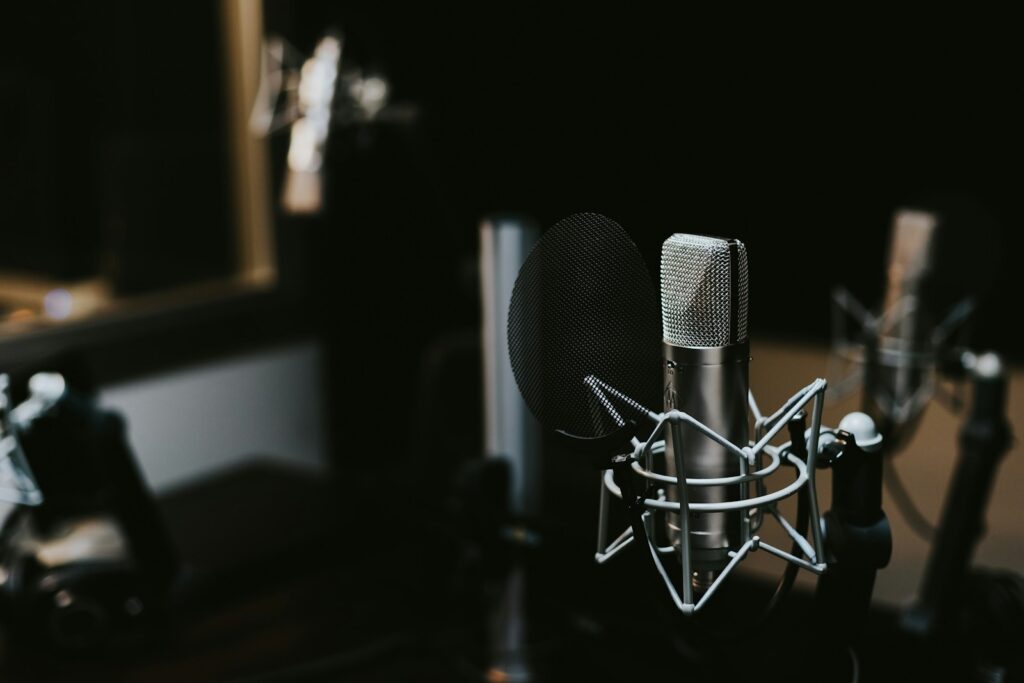
Why UK Bloggers Should Consider Starting a Podcast in 2026
Blogging is a fantastic way to share your knowledge and build an audience. But in 2026, the content landscape is more competitive than ever. Readers have limited time, and many prefer listening over reading. That is where podcasting comes in.
Starting a podcast alongside your UK blog allows you to reach people who would rather listen than read. You can connect with your audience during their commute, while they exercise, or while they do household chores. It is a way to build a deeper connection with your readers and attract new followers who prefer audio content.
Podcasting also helps with your blog’s authority. When you have a podcast, you become more than just a writer. You become a voice in your niche. Guest spots on other podcasts can introduce your blog to new audiences, and having a podcast makes you more attractive to brands looking for sponsored content opportunities.
If you already have a UK blog up and running, adding a podcast is a natural next step. It does not have to be complicated or expensive. In this guide, we will walk through everything you need to know to start a podcast alongside your blog in 2026.
What You Need to Start a Podcast for Your UK Blog
1. A Microphone
You do not need a professional studio to start a podcast. A decent USB microphone is enough to get going. Here are some good options for UK bloggers on different budgets:
- Budget option (under £50): Samson Q2U or Audio-Technica ATR2100x. Both are USB and XLR, meaning you can upgrade later.
- Mid-range (under £150): Rode NT-USB or Blue Yeti. These produce excellent sound quality for a home setup.
- Premium (over £150): Shure MV7 or Rode PodMic with an audio interface. These are what many professional podcasters use.
Do not stress too much about equipment at the start. A £50 microphone with good recording technique can sound almost as good as a £300 one. Focus on speaking clearly and recording in a quiet room with soft furnishings to reduce echo.
2. Recording and Editing Software
You need software to record and edit your podcast episodes. Here are the best options for UK bloggers:
- Audacity (free): A powerful audio editor that works on Windows, Mac and Linux. It has a learning curve but is completely free.
- GarageBand (free for Mac users): Easy to use and comes pre-installed on Apple computers.
- Descript (paid): A modern tool that lets you edit audio by editing text. Great for beginners.
- Adobe Audition (paid subscription): Professional-grade software if you want advanced features.
Start with Audacity or GarageBand. They are free and more than capable of producing a high-quality podcast.
3. Podcast Hosting
You cannot host podcast audio files on your WordPress site. Podcast audio files are large and will slow down your site. Instead, use a dedicated podcast hosting service that generates your RSS feed and distributes your episodes to Apple Podcasts, Spotify and other platforms.
Popular options for UK bloggers include:
- Buzzsprout: Starts with a free plan (2 hours per month). Easy to use and great for beginners.
- Podbean: Offers unlimited hosting for a flat monthly fee. Popular with UK creators.
- Transistor: Good for multiple podcasts and detailed analytics.
- Captivate: Designed specifically for growth-focused podcasters with good marketing tools.
Most hosting services offer a free trial, so test a few before committing.
How to Plan Your Podcast Content
Your podcast should complement your blog, not repeat it. Think of your blog as the place for detailed, evergreen content and your podcast as the place for conversations, opinions and behind-the-scenes stories.
Content Ideas for Your UK Blog Podcast
- Solo episodes: Share your thoughts on a topic related to your niche. Keep them under 20 minutes to start.
- Interview episodes: Invite other UK bloggers, entrepreneurs or experts in your niche to chat. This is a great way to network and cross-promote.
- Q and A episodes: Answer questions from your blog readers or social media followers.
- Roundup episodes: Discuss recent news or trends in your niche.
- Behind-the-scenes episodes: Share what goes into running your blog, from content planning to dealing with challenges.
A good format for beginners is to release one episode per week, alternating between solo and interview episodes. This gives you a manageable schedule while keeping your content varied and interesting.
How to Record and Edit Your First Episode
Preparation
Write a simple outline before you record. You do not need a script, but bullet points will keep you on track. Test your microphone level by recording a short sample and listening back. Make sure there is no background noise like traffic, fans or humming appliances.
Recording Tips
- Speak at a natural pace. Do not rush.
- Keep your mouth about 15 centimetres from the microphone.
- Use a pop filter to reduce plosive sounds (p and b sounds).
- Record in a small room with carpet and curtains if possible.
- If you make a mistake, pause for two seconds and start the sentence again. You can edit out the mistake later.
Simple Editing Workflow
Open your recording in Audacity or your chosen software. Follow these steps:
- Remove long pauses and mistakes using the cut tool.
- Use the compressor effect to even out volume levels.
- Use the noise reduction tool to remove background hum.
- Add your intro and outro music (you can find royalty-free music on sites like Pixabay or Uppbeat).
- Export as MP3 at 128 kbps (the standard for podcasting).
Keep editing simple at first. You will get faster with practice. For more on staying organised with your content, check out our blogging productivity tips for UK bloggers.
How to Publish and Promote Your Podcast
Once your episode is edited and exported, upload it to your podcast hosting service. The hosting service will generate an RSS feed. Submit this feed to the major podcast directories:
- Apple Podcasts: The biggest podcast platform. Most UK listeners use Apple Podcasts.
- Spotify: Growing fast. Make sure your podcast is on Spotify for Podcasters.
- Amazon Music: Now includes podcasts and is gaining popularity.
- Google Podcasts: Still relevant for Android users.
Most hosting services can submit to these directories automatically, so you only need to do it once.
Promote Your Podcast on Your Blog
Write a blog post for each podcast episode. Embed the audio player using the code provided by your hosting service. This way, your blog readers can either read or listen. Transcribe your episodes and include the text in the blog post for SEO benefits.
Add a podcast section to your blog’s navigation menu. Create a dedicated page that lists all your episodes. Include a link to your podcast in your email signature and social media bios.
Do not forget to tell your email subscribers about your podcast. If you have not built an email list yet, read our guide on how to build an email list for your UK blog. Your email list is your most powerful promotional tool, and your subscribers are the most likely to become loyal podcast listeners.
Cross-Promotion with Other Bloggers
Reach out to other UK bloggers and offer to appear on each other’s podcasts. This exposes both audiences to your content. Guest appearances are one of the fastest ways to grow your podcast audience. For more ways to connect with fellow creators, see our guide on how to use guest blogging to grow your UK blog. The same principles apply to podcast guesting.
How to Monetise Your Blog Podcast
Once your podcast has a steady listenership, you can start making money from it. Here are the main monetisation options:
Sponsorships
Brands pay you to mention them in your episodes. You typically need at least 500 to 1,000 downloads per episode to attract sponsors. Podcast sponsorship rates in the UK range from £15 to £30 per 1,000 listens for a 30-second ad read.
Affiliate Marketing
Recommend products or services your audience will find useful. Include your affiliate link in the show notes. Podcast audiences trust their hosts, so affiliate promotions can convert very well.
Premium Content
Offer ad-free episodes, bonus content or early access to episodes for a monthly subscription fee. Platforms like Patreon make this easy to set up.
Essential Tools for Your Blog Podcast
Here are some essential blogging tools every UK blogger should use that also work well for podcasting:
- Canva: Create podcast cover art and social media graphics to promote episodes.
- Headliner: Create audiograms (video clips with waveform animations) for social media.
- Otter.ai: Automatically transcribe your episodes for blog posts and show notes.
- Buffer or Later: Schedule social media posts promoting your episodes.
- ChatGPT or Claude: Generate show notes, social media captions and episode descriptions.
Common Podcasting Mistakes UK Bloggers Should Avoid
- Investing in expensive gear too early: Start with basic equipment. Upgrade once you have an audience and know podcasting is right for you.
- Poor audio quality: Listeners will tolerate many things but not bad sound. Invest time in learning good recording technique.
- Inconsistent schedule: Release episodes on the same day each week. Consistency builds listenership.
- Ignoring show notes: Show notes help with SEO and give listeners a reason to visit your blog.
- Not promoting episodes: Publishing is only half the work. Promote each episode across your blog, email and social media.
Final Thoughts
Starting a podcast alongside your UK blog in 2026 is one of the best ways to grow your audience and deepen your connection with your readers. You do not need expensive equipment or years of experience. Start with the basics, publish consistently and improve over time.
Your blog and podcast can work together to build a powerful content brand. Your blog provides the depth and search visibility. Your podcast provides the personality and human connection. Together, they create a complete content experience that your audience will love.
Ready to get started? Pick up a microphone, record your first episode and submit it to Apple Podcasts and Spotify. Your future listeners are waiting.

Hi, I’m Axton, a writer, and blogger with a passion for sharing my thoughts and ideas on a variety of topics. From personal experiences to cultural trends. Join me as we explore new ideas and engage in thought-provoking discussions together!