
How to Start a UK Food Blog in 2026
Food blogging is one of the most rewarding blogging niches in the UK. Whether you want to share family recipes, review restaurants, or teach people how to cook on a budget, there is an audience waiting for you. In 2026, the UK food blog scene is bigger than ever, and there is still plenty of room for fresh voices.
This step-by-step guide will show you exactly how to start a food blog that stands out, attracts readers, and can even earn money over time.
Why Start a Food Blog in 2026?
Food content is forever. People search for recipes every single day. Unlike fashion or news, a recipe you publish today can still bring traffic years from now. UK food bloggers are especially popular because British readers love content that uses local ingredients, UK measurements, and familiar supermarkets.
- Recipe posts rank well on Google for years
- Food photography performs brilliantly on Pinterest
- UK food bloggers can earn through display ads, affiliate links, and sponsored posts
- You can start with just a smartphone and basic cooking skills
Choosing Your Food Blog Niche
- Budget-friendly meals – Recipes under £1 per serving
- Air fryer recipes – Huge trend in UK kitchens right now
- Slow cooker or one-pot meals – Perfect for busy families
- Vegan or plant-based British food – Classics made vegan
- Baking on a budget – Cakes, bread, and treats without expensive ingredients
- Student meals – Easy recipes for university students
- Regional British cuisine – Focus on Scottish, Welsh, or Northern English dishes
Setting Up Your Food Blog
You need three things: a domain name, web hosting, and a WordPress site. Many UK food bloggers use Hostinger or SiteGround for hosting. Choose a domain name that reflects your niche, like budgetbritishkitchen.co.uk or airfryerfamily.co.uk.
Once WordPress is installed, pick a food blog theme. Popular options include Foodie Pro, Cookely, and Feast Design Co.
Writing Recipes That Rank
- A catchy title – Include keywords like easy, quick, or budget.
- A story introduction – Share why you love this recipe.
- Key ingredients list – Use UK brands and supermarket names.
- Step-by-step instructions – Clear, numbered steps.
- Nutritional info – Many UK readers look for calorie counts.
- Recipe card – Use a plugin like WP Recipe Maker.
- High-quality photos – At least one hero image.
Food Photography Tips for Beginners
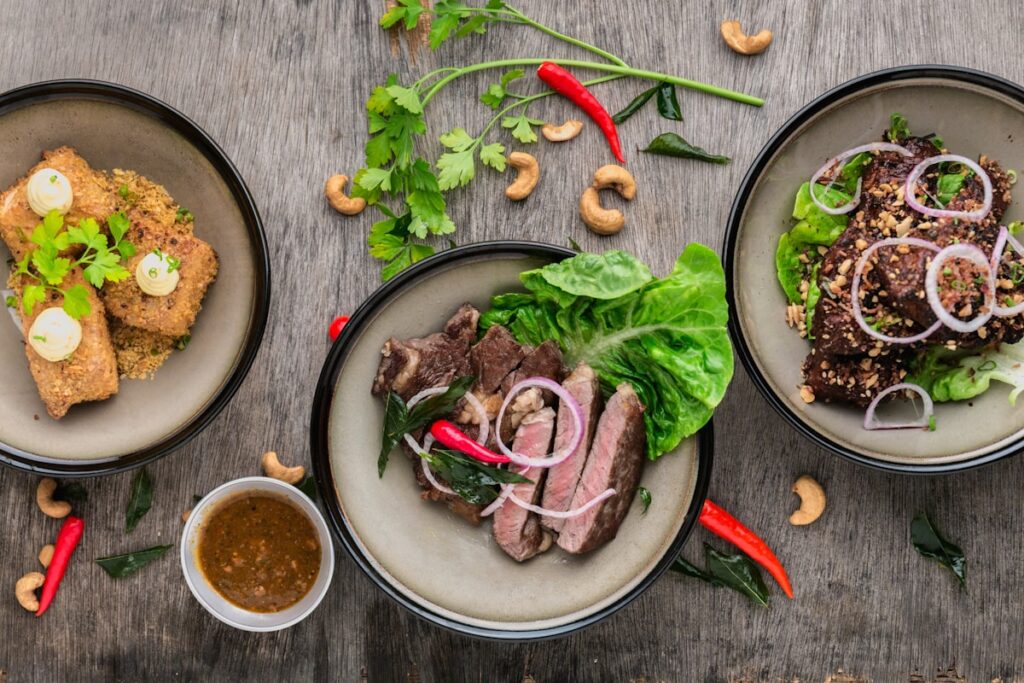
- Shoot near a window during daytime for the best light
- Use a plain background like a wooden board or white plate
- Add props like cutlery, napkins, or fresh ingredients
- Take photos from above (flat lay) for recipe shots
- Edit with free apps like Snapseed or Lightroom Mobile
Promoting Your Food Blog
- Pinterest – The biggest traffic source for food blogs.
- Instagram – Share behind the scenes shots and reels.
- Facebook groups – Join UK food and recipe groups.
- Google Search – Focus on SEO for keywords like easy midweek dinner UK.
How Food Bloggers Make Money
- Display ads – Networks like Mediavine or Raptive
- Affiliate marketing – Link to kitchen equipment on Amazon UK
- Sponsored posts – Brands pay for recipes using their products
- Digital products – Sell ebook recipe collections
Final Thoughts
Starting a UK food blog takes time and patience. Focus on creating excellent recipes, taking clear photos, and writing helpful content.
For more help getting started, read our guide on blog keyword research for UK bloggers. Our post on blog photography tips will help you take better images. And check out storytelling for UK bloggers for writing tips.

Hi, I’m Axton, a writer, and blogger with a passion for sharing my thoughts and ideas on a variety of topics. From personal experiences to cultural trends. Join me as we explore new ideas and engage in thought-provoking discussions together!