
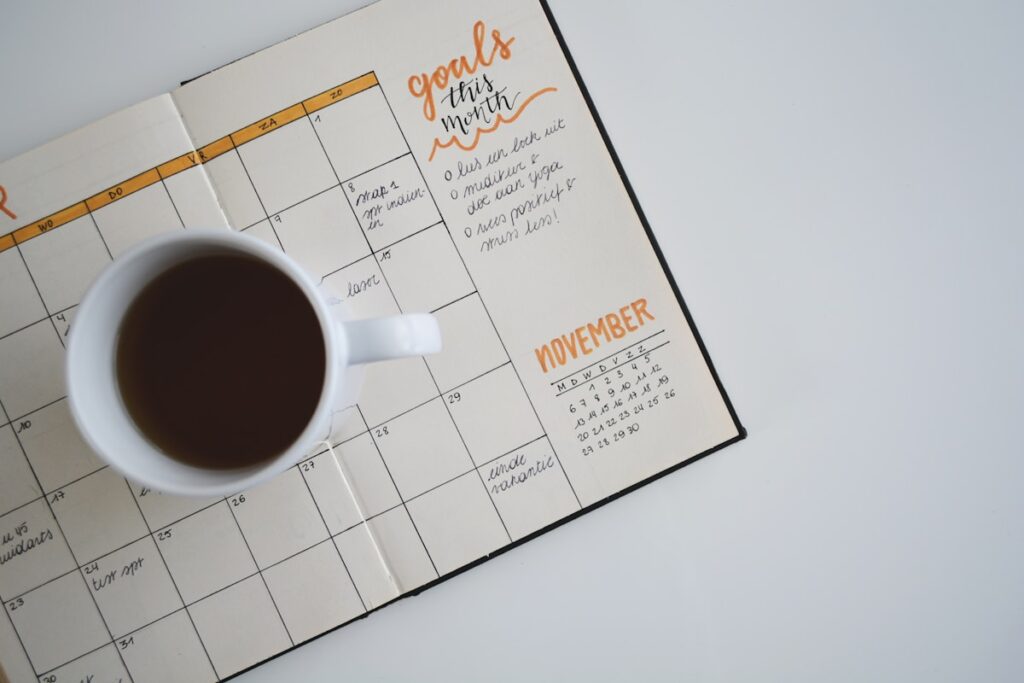
k-paragraef=”https://theblogging.co.uk/use-social-media-grow-uk-blog-traffic-2026/” target=”_blank” rel=”noopener”>ph”>Sticking to a consistent blog schedule is one of the hardest parts of running a blog. You sit down to write but have no idea what topic to cover. You end up staring at a blank screen, and before you know it, weeks have passed without a new post. A blog content calendar fixes that problem for good.
A content calendar is basically your publishing roadmap. It tells you what to write, when to publish it, and how each piece fits into your wider strategy. For UK bloggers especially, planning around seasonal events, bank holidays, and British cultural moments can make a huge difference to your traffic.
Why UK Bloggers Need a Content Calendar
If you are serious about growing your blog, you cannot rely on inspiration alone. A content calendar brings structure to your workflow. Here is why it matters:
- Consistency. A content calendar helps you publish regularly, which keeps readers coming back and signals to Google that your site is active. If you juggle blogging with a day job, having a plan makes it much easier to keep momentum going. Our guide on blogging while working full-time in the UK covers how to fit blogging around a busy schedule.
- Better SEO. When you plan your content in advance, you can align each post with keyword research. This means fewer random topics and more strategic posts that actually rank. Check out our guide to keyword research for UK bloggers to see how topic planning and SEO go hand in hand.
- Reduced stress. Knowing exactly what you need to write each week removes the panic of last-minute content creation.
What to Include in Your Blog Content Calendar
A good content calendar is more than just a list of post titles. Here are the key elements you should track:
- Publish date and time. Decide when each post goes live and stick to it.
- Target keyword. The main search term you want the post to rank for.
- Post format. Is it a how-to guide, a list post, a product roundup, or a personal story?
- Content pillar. Which broad topic category does this post belong to?
- Status. Is the post in the ideas stage, being drafted, waiting for images, or ready to publish?
- Promotion plan. Where will you share the post once it is live? Social media, email newsletter, Pinterest?
How to Build Your Content Calendar in Four Steps
Step 1: Audit Your Existing Content
Before you plan new posts, look at what is already on your blog. Which topics have performed well? Which posts need updating? Which gaps exist in your content? A content audit helps you avoid repeating yourself and highlights opportunities for fresh content.
Step 2: Brainstorm Topics Around Pillar Categories
Pick three to five broad categories that define your blog. For a UK blogging tips site, these might be: starting a blog, growing traffic, making money, content creation, and tools. Brainstorm at least ten topic ideas for each category. Once you have a big list, arrange them by priority and season.
When you are planning topics, think about UK seasonality. January is great for New Year resolution content. February works for budgeting posts. Summer brings travel and outdoor topics. Autumn is perfect for back-to-school or cosy lifestyle content. Aligning your posts with the British calendar helps them feel timely and relevant.
Step 3: Choose Your Planning Tool
You do not need fancy software to create a content calendar. Many UK bloggers use a simple spreadsheet. Others prefer Trello, Notion, or Asana. Some use physical planners. The best tool is the one you will actually use. If you are looking for recommendations, our roundup of best blogging tools for UK bloggers covers several planning options.
Step 4: Schedule and Stick to It
Set a realistic publishing frequency. Twice a week is ambitious but doable. Once a week is perfectly fine for most bloggers. The key is to batch your work. Dedicate one day a week to writing multiple posts, another day for editing and images, and another for promotion. When you batch your tasks, you save time and mental energy.
And remember, your calendar is not set in stone. Leave room for timely topics or trending news. A flexible calendar is better than an abandoned one.
How Far Ahead Should You Plan?
Most bloggers find that planning one month ahead strikes the right balance. It gives you enough time to research and write without locking you into topics that might feel stale by publish date. Some planners like to map out an entire quarter, especially for seasonal content. If you are just starting with content planning, try one month first and adjust from there.
For bloggers with multiple content types, a content calendar also helps you plan social media snippets, email newsletters, and video content alongside your written posts. This integrated approach works well if you also use platforms like YouTube or TikTok to drive blog traffic.
Common Content Calendar Mistakes to Avoid
- Overplanning. Spending more time building the perfect calendar than actually writing posts.
- Ignoring data. Not checking which of your past posts performed best before planning new ones.
- No flexibility. Refusing to swap posts around when something timely comes up.
- Too many topics. Trying to cover everything instead of focusing on what your readers actually want.
Using Your Calendar to Spot Content Gaps
Once you have a calendar in place, you will start noticing patterns. Maybe you write a lot about starting a blog but very little about monetisation. Maybe all your posts are listicles and you have no in-depth guides. A content calendar makes these gaps visible so you can fill them intentionally rather than by accident.
Using a calendar also encourages you to repurpose content. A popular how-to post can become a video script, a podcast episode, or a social media thread. Planning for repurposing in advance saves you from reinventing the wheel every time you need to create content for a different platform.
Seasonal Content Planning for UK Bloggers
UK bloggers have a natural advantage when it comes to seasonal content. British seasons and events give you built-in topic ideas. Here are some seasonal hooks to plan around:
- January: New Year resolutions, goal setting, organisation tips, healthy living
- February: Valentine’s Day, budgeting after Christmas, self-care
- March-April: Spring cleaning, Easter, Mother’s Day, garden content
- May-June: Bank holidays, summer planning, exams and study tips
- July-August: Summer holidays, travel content, outdoor activities
- September: Back to school, autumn fashion, cosy at home content
- October: Halloween, harvest season, budgeting for Christmas
- November-December: Christmas content, gift guides, year in review
Map these seasonal themes into your calendar at least six to eight weeks in advance. That way, your Christmas gift guide posts go live in November when people are actually searching for them, not in mid-December when the competition is fierce.
Tools to Help You Plan
There is no shortage of tools for planning blog content. Google Sheets is free and works well for solo bloggers. Trello gives you a visual board where you can drag and drop posts between columns. Notion is popular for its flexibility and database features. CoSchedule is a dedicated editorial calendar plugin for WordPress if you prefer something integrated with your site.
Whichever tool you choose, the goal is the same: reduce decision fatigue and make your blogging routine smoother. Your content calendar should save you time, not become another task on your to-do list.
Final Thoughts
A blog content calendar is one of those tools that sounds simple but transforms how you work. It turns vague intentions into a clear plan. It helps you write better, more strategic posts. And it removes the stress of wondering what to publish next.
If you have been blogging without a calendar, start small. Plan just one month. Write down your post ideas, assign them to specific dates, and see how it feels. Chances are, you will wonder how you ever managed without one. For more on writing posts that perform well once you plan them, read our complete guide to writing SEO-friendly blog posts.

Hi, I’m Axton, a writer, and blogger with a passion for sharing my thoughts and ideas on a variety of topics. From personal experiences to cultural trends. Join me as we explore new ideas and engage in thought-provoking discussions together!