
One of the smartest things you can do as a U
Seasonal blogging is not just about writing a post a few days before Bonfire Night and hoping for the best. It is about planning months in advance, creating high quality content, and positioning yourself as the go to resource for seasonal topics in your niche.
In this guide, I will show you how to build a seasonal blogging strategy for 2026, covering all the major British holidays and seasons, with practical tips you can implement right now.
Why Seasonal Blogging Works
Seasonal content taps into what people are already looking for. When someone searches for “Easter activities for kids” in March, they are ready to engage. They want ideas, tips, and recommendations. Your blog can provide exactly that.
Search engine traffic for seasonal keywords spikes at predictable times each year. If you have content ready before the spike, you can capture that traffic. But if you publish too late, you miss the window entirely.
Seasonal content also performs well on social media. People share holiday themed posts more readily than generic content. A post about “How to Host a British Summer BBQ on a Budget” will get more shares in June than a generic “Budget Entertaining Tips” post.
If you are new to blogging, start with the basics first. Read our how to start a blog in 10 steps guide to make sure your foundation is solid before diving into seasonal planning.
The UK Seasonal Calendar for 2026
Here are the key dates and seasons you should plan around for 2026.
Winter (December 2025 to February 2026)
Key holidays and events: New Year’s Day (1 Jan), Burns Night (25 Jan), Valentine’s Day (14 Feb), Pancake Day / Shrove Tuesday (17 Feb 2026).
Winter content ideas: New Year resolution guides, dry January tips, Valentine’s Day gift guides, Pancake Day recipes, winter wellness advice, staying cosy at home content.
Spring (March to May)
Key holidays and events: Mother’s Day / Mothering Sunday (22 Mar 2026), Easter Sunday (5 Apr 2026), St George’s Day (23 Apr), May Day (1 May), Early May Bank Holiday (4 May), Spring Bank Holiday (25 May).
Spring content ideas: Easter craft ideas for kids, Mother’s Day gift guides, spring cleaning checklists, gardening content, bank holiday staycation ideas, St George’s Day recipes and traditions.
Summer (June to August)
Key holidays and events: Summer solstice (21 Jun), Wimbledon (late Jun to early Jul), Eid al-Adha (around Jul 2026), Father’s Day (21 Jun 2026), Late Summer Bank Holiday (31 Aug).
Summer content ideas: UK staycation guides, summer holiday packing lists, school holiday activities for kids, barbecue recipes and tips, garden party ideas, summer reading lists, festival guides.
Autumn (September to November)
Key holidays and events: Halloween (31 Oct), Bonfire Night / Guy Fawkes Night (5 Nov), Remembrance Sunday (8 Nov 2026), Stir-up Sunday (22 Nov 2026).
Autumn content ideas: Halloween costume DIY guides, Bonfire Night safety tips and event guides, autumn foraging content, comfort food recipes, winter preparation checklists, Christmas planning guides.
Winter into 2027 (December)
Key holidays and events: Christmas Day (25 Dec), Boxing Day (26 Dec), New Year’s Eve (31 Dec).
Christmas content ideas: Christmas gift guides, festive recipes, holiday decoration ideas, Christmas on a budget, New Year resolution planning, post Christmas sales guides.
How to Plan Your Seasonal Content Calendar
You need a system for planning seasonal content. Here is a step by step approach.
1. Map Out the Full Year
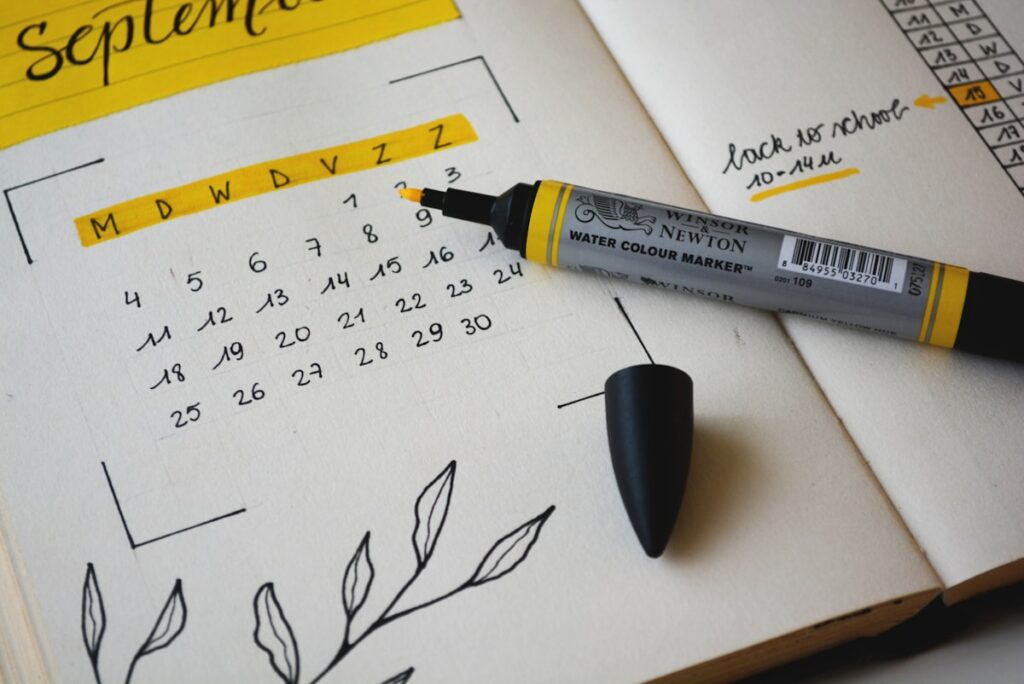
Start with a blank calendar for 2026. Mark every UK bank holiday, school holiday period, and major seasonal event relevant to your niche. Include dates that matter to your specific audience, like exam periods for parenting bloggers or harvest season for food bloggers.
If you run a blog audit at the start of the year, it will help you identify gaps in your seasonal coverage from the previous year. This is a great time to plan your seasonal content for the months ahead.
2. Brainstorm Content Ideas for Each Period
For each holiday or season, brainstorm 5 to 10 content ideas. Think about what your readers will be searching for during that time. What problems will they have? What questions will they ask? What purchases will they be considering?
Group your ideas by intent: informational posts, gift guides, how to guides, listicles, and personal stories. A mix of formats will keep your seasonal content fresh.
3. Schedule Your Content Backwards
For seasonal content to work, it needs to be published early. A Christmas gift guide published on 20 December is too late. Aim to publish seasonal content 4 to 6 weeks before the event. This gives search engines time to index your post and rank it before the search traffic spikes.
Work backwards from the event date. If Easter is 5 April, your Easter content should be published by mid February at the latest. That sounds early, but it is what works.
4. Batch Create Your Content
Seasonal blogging is perfect for batch creation. Set aside one weekend to write all your Christmas content in July. It feels strange writing about mince pies in the middle of summer, but it means you will have polished, well researched posts ready to publish when the time is right.
Batch creation also helps you maintain consistency. If you try to write seasonal content at the last minute, the quality will suffer and you will likely miss your publishing window.
Evergreen vs Seasonal Content Mix
A healthy blog needs both evergreen content and seasonal content. Evergreen posts stay relevant all year and drive consistent traffic. Seasonal posts give you traffic spikes at specific times.
If you look at a traffic graph for a blog with good seasonal content, you will see peaks around major holidays and dips in between. The evergreen content smooths out the dips and keeps your baseline traffic steady.
A good rule of thumb is to aim for 70 percent evergreen content and 30 percent seasonal content. This balance gives you steady traffic with periodic boosts from your seasonal posts.
Promoting Your Seasonal Content
Seasonal content needs a different promotion strategy than evergreen content.
Pinterest is your friend. Seasonal content performs exceptionally well on Pinterest. Create pinnable images for your seasonal posts and schedule them weeks in advance. Pinterest users actively search for holiday ideas and seasonal inspiration.
Email your list. When you publish seasonal content, send an email to your subscribers. Seasonal emails tend to get higher open rates because the topic is timely and relevant. If you are still learning, review email marketing tips for UK bloggers to improve your campaigns.
Share in relevant groups. Facebook groups and online communities focused on your niche will welcome timely seasonal content. Just make sure you follow each group’s promotion rules.
Update old seasonal posts. If you published a Halloween post in 2025, update it for 2026. Refresh the content, update any outdated information, change the images, and republish. This is often easier than writing from scratch and can perform just as well.
Seasonal Content Ideas by Niche
Here are some specific seasonal content ideas for different blogging niches.
Parenting bloggers: School holiday survival guides, Easter egg hunt ideas, Christmas crafts for toddlers, summer holiday boredom busters, back to school preparation tips.
Food bloggers: Seasonal produce guides (spring vegetables, summer berries, autumn squash, winter root veg), holiday specific recipes (Pancake Day, Easter, Christmas), barbecue season guides.
Travel bloggers: UK staycation guides by season, bank holiday weekend itineraries, school holiday travel tips, Christmas market guides, summer festival coverage.
Finance bloggers: Christmas budget planner, summer holiday saving tips, back to school cost guides, tax year end planning, New Year financial reset guides.
Fashion and style bloggers: Seasonal capsule wardrobe guides, holiday outfit ideas, summer dress guides, winter coat buying guides, gift guides by price point.
Tools for Seasonal Blogging
Here are some tools to help you plan and execute your seasonal content strategy.
Google Calendar is free and works well for planning your content calendar. Create a separate calendar for seasonal content with reminders set 6 weeks before each event.
Trello or Notion are great for tracking the status of each seasonal post. Create boards for each season and move cards through the stages from idea to draft to published.
Google Trends helps you see when search interest peaks for seasonal topics. Use it to confirm your publishing timing.
Pinterest Trends shows you what seasonal topics are rising in popularity on Pinterest. This can give you ideas for content that is about to trend.
Canva is useful for creating seasonal graphics and Pinterest pins in advance.
Final Thoughts
Seasonal blogging is not complicated, but it does require planning and discipline. The bloggers who succeed with seasonal content are the ones who think ahead and prepare early.
Start today. Map out the rest of 2026. Identify the upcoming holidays and seasons in your niche. Brainstorm content ideas. Set your publishing dates. Then write one post at a time. By the time the next seasonal spike arrives, your content will already be ranking.
For more blogging tips and strategies, check out our WordPress vs Blogger 2026 comparison guide to make sure you are on the right platform for your seasonal content plans.

Hi, I’m Axton, a writer, and blogger with a passion for sharing my thoughts and ideas on a variety of topics. From personal experiences to cultural trends. Join me as we explore new ideas and engage in thought-provoking discussions together!